How Long Do Dental Crowns Last in Oxnard CA?

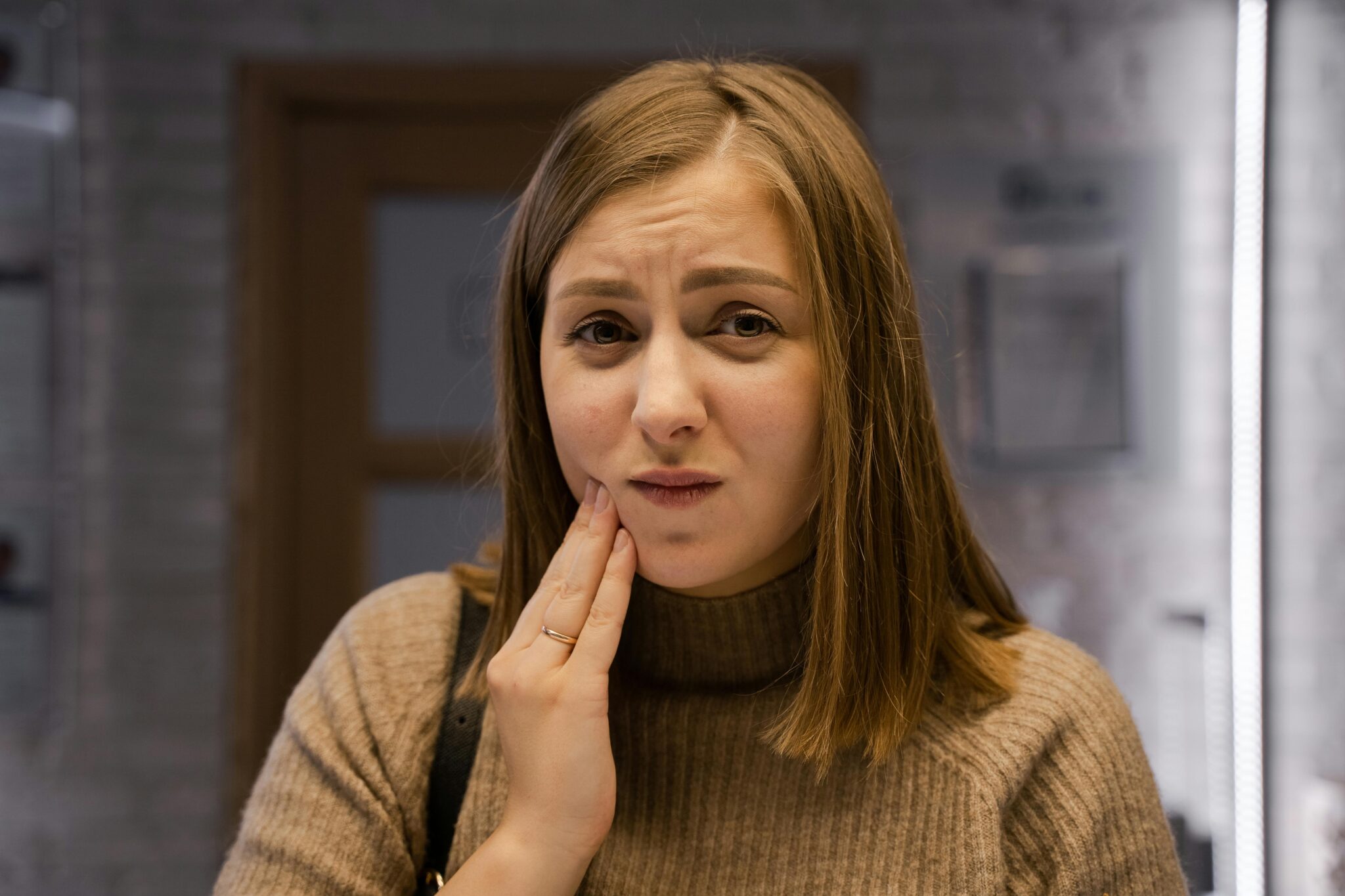

If you have been told you need a crown, or you already have one and are wondering how many more years it will hold up, the short answer is this: most dental crowns last somewhere around 10 to 15 years, and many last longer with good care. I have seen crowns doing fine at 20 years, and I have also seen crowns fail in far less time because of clenching, decay at the margin, or a tooth underneath that changed in ways no one could fully predict.
That range can feel frustratingly broad, but it reflects real life. Teeth do not live in a laboratory. They deal with coffee, ice, stress grinding, old fillings, changing bites, and daily habits that either protect the restoration or wear it down. If you are looking into Dental Crowns Oxnard CA patients are often offered, lifespan is one of the first questions worth asking, right alongside cost, materials, and whether the underlying tooth is healthy enough to support the work.
A crown is not a lifetime guarantee. It is a strong, carefully fitted restoration designed to protect a weakened tooth, restore function, and improve appearance. How long it lasts depends on what it is made from, how it was placed, how you use your teeth, and how healthy the tooth and gums stay over time.
What a crown is really doing
A Dental Crown covers the visible part of a tooth above the gumline. Dentists recommend crowns when a tooth has lost too much structure for a simple filling, after a root canal in many cases, when a large crack needs reinforcement, or when cosmetic and structural concerns overlap.
Think of a crown as a protective shell that lets a compromised tooth keep working. The crown itself can be strong, but it still depends on the tooth underneath. That matters more than many people realize. A beautifully made crown on a tooth with deep recurrent decay, a hidden crack, or poor gum support is like a new roof on a failing frame. The restoration can only last as long as the support beneath it remains stable.
In practice, longevity is rarely about one dramatic event. More often, crowns fail quietly. A tiny gap develops at the edge. Plaque sits there. Decay begins under the margin. https://www.google.com/maps?cid=11644345336093784457 The patient feels nothing for months, sometimes years, until the problem grows. By the time the crown loosens or the tooth hurts, the issue has been building for a while.
A realistic lifespan for crowns in everyday practice
Most dentists quote about 10 to 15 years because it is a reasonable clinical average. It gives patients a practical expectation without pretending every case behaves the same way. But averages hide a lot.
A crown on a front tooth with a stable bite and excellent hygiene may last much longer because it takes less force. A crown on a back molar in someone who clenches at night may work much harder every single day. The material matters, but load and biology matter just as much.
I have seen several common patterns. Patients who brush well, keep regular cleanings, and wear a night guard when recommended often get excellent life out of crowns. Patients who avoid dental visits for years sometimes assume the crown failed suddenly, when in fact the tooth underneath was changing all along. The crown is often the visible end point of a problem that started at the margin or root.
Location also plays a role. In Oxnard, as in other coastal communities, people often have active lifestyles, variable work schedules, and diets that include acidic beverages, sports drinks, coffee, and frequent snacking. None of that automatically ruins a crown, but habits do add up. A crown lives in whatever environment the mouth gives it.
The material changes the odds, but not everything
Not all crowns are made from the same material, and different materials have different strengths, esthetic qualities, and wear patterns. Porcelain fused to metal crowns have been used for many years and can be durable, though the porcelain can chip and a dark line near the gum may appear over time. All ceramic and zirconia crowns are popular because they can look very natural and, in the case of zirconia, hold up well under force. Gold and high noble metal crowns remain excellent in terms of fit and durability, though many patients prefer tooth-colored options.
Material choice affects how the crown handles pressure, how it wears against other teeth, and how much natural tooth structure may need to be reduced. Still, no material is indestructible. A zirconia crown can outlast a porcelain crown in some high-stress situations, but if the patient cracks ice all day and grinds at night, even a very strong material is under strain.
The fit of the crown is just as important as the substance it is made from. A less glamorous point, but a critical one. A well-made crown with precise margins and a balanced bite often outperforms a premium material placed on a tooth with unresolved issues or poor occlusion. Patients sometimes focus on the brand or type of ceramic when the bigger question should be whether the tooth, gums, and bite make good long-term sense.
Why some crowns fail early
When crowns need replacement sooner than expected, the cause is often one of a handful of recurring problems. These are the issues dentists in real practice watch for most closely:
- Decay forming at the edge of the crown where bacteria collect.
- A crack developing in the underlying tooth, especially in heavily restored molars.
- Cement failure or loosening, sometimes after years of hard chewing or grinding.
- Gum recession exposing margins that were once protected.
- Bite problems that place uneven pressure on the crown.
These causes overlap more than patients expect. For example, someone may clench at night, which stresses the crown and the tooth. That stress can contribute to micro-movement, while dry mouth from medications increases decay risk at the same time. It is rarely one factor in isolation.
One of the more disappointing situations is when the crown itself still looks acceptable but the tooth beneath it has decay deep enough that a simple replacement is not enough. In that case, the crown did not exactly fail as a product. The biological support failed, which can lead to a root canal, crown lengthening, or even extraction depending on how far the decay extends.
The bite factor most people underestimate
If there is one variable patients tend to dismiss until it becomes expensive, it is bite force. Teeth are not just for chewing food. Many people also use them as stress tools without realizing it. Night grinding, daytime clenching during work, chewing pens, tearing packages, crunching ice, and snacking on hard foods all shorten the life of restorations.
Back teeth take the brunt of these forces, so crowns on molars and premolars often live a harder life than crowns on front teeth. A crown can survive heavy function for many years, but persistent overload increases the chance of porcelain chipping, cement breakdown, soreness around the tooth, and fracture in the remaining natural tooth structure.
This is where a night guard can make a meaningful difference. For a patient with bruxism, a properly fitted guard is not an upsell item. It is a practical way to reduce repetitive force and protect both natural teeth and dental work. Patients sometimes hesitate because it seems like one more appliance to manage, yet I have seen guards significantly extend the useful life of crowns in grinders.
How oral hygiene affects crown longevity
Crowns do not decay, but teeth do. That distinction matters. The crown margin, where crown meets tooth, is a vulnerable zone. If plaque accumulates there, bacteria can attack the exposed natural tooth structure. Once decay starts under a crown, it can spread quietly because the visible porcelain or zirconia still looks intact.
Good home care does not need to be complicated. It needs to be consistent. Brush thoroughly along the gumline. Floss or use another interdental cleaner daily. Keep up with professional cleanings so early problems are caught before they become structural ones. A patient who says, "I thought the crown meant that tooth was taken care of forever," is usually expressing a very common misunderstanding. The crown protects the tooth, but it does not make the tooth maintenance-free.
Dry mouth deserves special mention. It increases decay risk dramatically, especially around crown margins. Many adults in California take medications that reduce saliva, including some used for blood pressure, allergies, anxiety, and sleep. If your mouth feels dry often, mention it. Dentists can suggest ways to lower the risk, and that conversation can be the difference between a crown lasting 15 years or developing recurrent decay much earlier.
Oxnard-specific considerations that can matter
People often ask whether where they live affects how long a crown lasts. The city itself does not wear out a crown, of course, but lifestyle patterns associated with a place can matter. In Oxnard, many patients spend long hours outdoors, work physically demanding jobs, or rely on quick convenience foods and drinks between shifts. That can mean sports beverages, energy drinks, or frequent grazing, all of which can raise acid and sugar exposure.
The coastal climate may also encourage habits like sipping beverages throughout the day, which keeps the mouth in a more constant acid challenge. A crown on its own can handle a lot, but the surrounding tooth structure and gum tissue are influenced by these day-to-day patterns. If you are considering Dental Crowns Oxnard CA offices provide, ask not just about the procedure but about long-term maintenance based on your habits. The answer should feel personalized, not generic.
Access to follow-up care matters too. One reason crowns last longer in some patients is simply that they return promptly when something feels off. A slight rough edge, food catching between teeth, new sensitivity, or a feeling that the bite is high may seem minor. Small adjustments early can prevent bigger issues later.
Signs a crown may be nearing the end of its life
Crowns rarely send a dramatic warning flare at the perfect time. More often, patients notice subtle changes first. A crown that has reached the point of replacement may feel slightly loose, catch floss, trap food, or develop a new temperature sensitivity. Some people notice a persistent bad taste in one area, which can happen when a margin leaks or decay develops underneath.
A visible crack or chip does not always mean immediate failure, but it should be evaluated. Sometimes a small porcelain chip is mostly cosmetic. Other times it reflects a bite issue or deeper stress. Gum inflammation around one crowned tooth can also be a clue that the margin is rough, overcontoured, or difficult to keep clean.
Pain when biting deserves prompt attention because it may signal a crack in the tooth under the crown. Patients are often surprised to learn that the crown can remain attached while the natural tooth structure has developed a fracture. That is one reason regular exams and x-rays still matter even when everything looks fine from the outside.
Repair or replace, what usually happens
Not every crown problem leads straight to full replacement. If the issue is a bite adjustment, minor contour issue, or cement washout caught early, a dentist may be able to re-cement or smooth the area. But if there is decay under the crown, a poor fit, a fracture, or significant wear, replacement is more likely.
When a crown is removed, the deciding factor becomes how much healthy tooth is left. Sometimes the tooth can support a new crown with no trouble. Sometimes a build-up is needed first. Sometimes the tooth needs root canal therapy. And sometimes, despite everyone’s best efforts, the tooth is no longer restorable. That last scenario is exactly why regular evaluation matters. Problems caught early preserve options.
Patients often ask whether replacing a crown means losing even more tooth each time. The honest answer is yes, sometimes some additional shaping is necessary, though a skilled dentist aims to conserve as much sound structure as possible. That is another reason to make the first crown, and the maintenance around it, count.
What patients can do to make a crown last longer
The good news is that crown longevity is not pure luck. Patients have more influence over the outcome than they may think.
- Keep regular exams and cleanings so small margin issues are found early.
- Use a night guard if you clench or grind.
- Avoid using crowned teeth to chew ice, open packages, or bite very hard objects.
- Clean carefully at the gumline every day, especially around back teeth.
- Report new sensitivity, looseness, or bite changes quickly.
Those simple habits are not glamorous, but they are effective. The patients who get the most life out of their Dental Crowns are usually not doing anything exotic. They are consistent, they respond early when something changes, and they do not assume a restoration can be ignored.
Questions worth asking before you get a crown
A good crown appointment is not just about drilling and impressions or scanning. It is also a planning conversation. Ask what material makes sense for your tooth and why. Ask whether you have signs of grinding. Ask how much natural tooth remains and whether the prognosis is strong, fair, or guarded. Those distinctions matter.
If the tooth has had a root canal, ask whether the remaining structure is robust enough for a crown alone or whether additional reinforcement is needed. If the tooth has a deep crack, ask whether the crown is being used to protect against propagation or whether the crack already extends too far. Patients appreciate plain language on this point. A crown can protect a cracked tooth, but it cannot reverse a crack that has already compromised the root.
You should also ask how the bite will be checked and what symptoms should prompt a follow-up. A crown that feels slightly high can create a surprising amount of discomfort, and adjustment is often quick when handled early. That is the kind of practical detail that improves the long-term result.
The bottom line on lifespan
For most people, a well-made crown placed on a healthy, restorable tooth can reasonably be expected to last about 10 to 15 years, often longer. Some fail sooner, some last decades. The biggest influences tend to be the condition of the tooth underneath, the precision of the fit, the forces from your bite, and how well the area is maintained.
If you are exploring Dental Crowns Oxnard CA dentists offer, do not focus only on the day the crown is placed. The more useful question is how the tooth is likely to behave over the next decade. Crowns succeed when planning is careful, materials fit the case, and follow-up care stays steady.
A crown is one of dentistry’s most reliable tools, but it works best when treated as part of an ongoing strategy, not a one-time fix. Done well, and cared for properly, it can protect your tooth for many years and spare you much larger treatment later.
Oxnard Dentistry
Address: 1730 E Gonzales Rd, Oxnard, CA 93036
Phone number: +18056049999
FAQ About Dental Crowns Oxnard CA
How long do crowns last on teeth?
Dental crowns typically last 10 to 15 years, but can last 20 to 30 years with excellent oral hygiene. Lifespan depends heavily on the crown material, your daily brushing and flossing habits, and whether you clench or grind your teeth.
What is the downside of crowns on teeth?
The primary downside of dental crowns is that the preparation process is irreversible. To properly fit a crown, a dentist must permanently shave down a significant portion of your natural tooth enamel. This exposes the tooth to potential risks like nerve inflammation, increased sensitivity, and structural weakening.
Why do dentists push for crowns?
Dentists often recommend crowns to save a structurally compromised tooth. If a tooth is heavily cracked, worn down, or has a cavity too large for a filling, a filling will not provide enough structural support, causing the tooth to eventually split. Crowns act like protective helmets, preventing tooth loss.