The Truth About Pain, Healing, and Dental Crowns

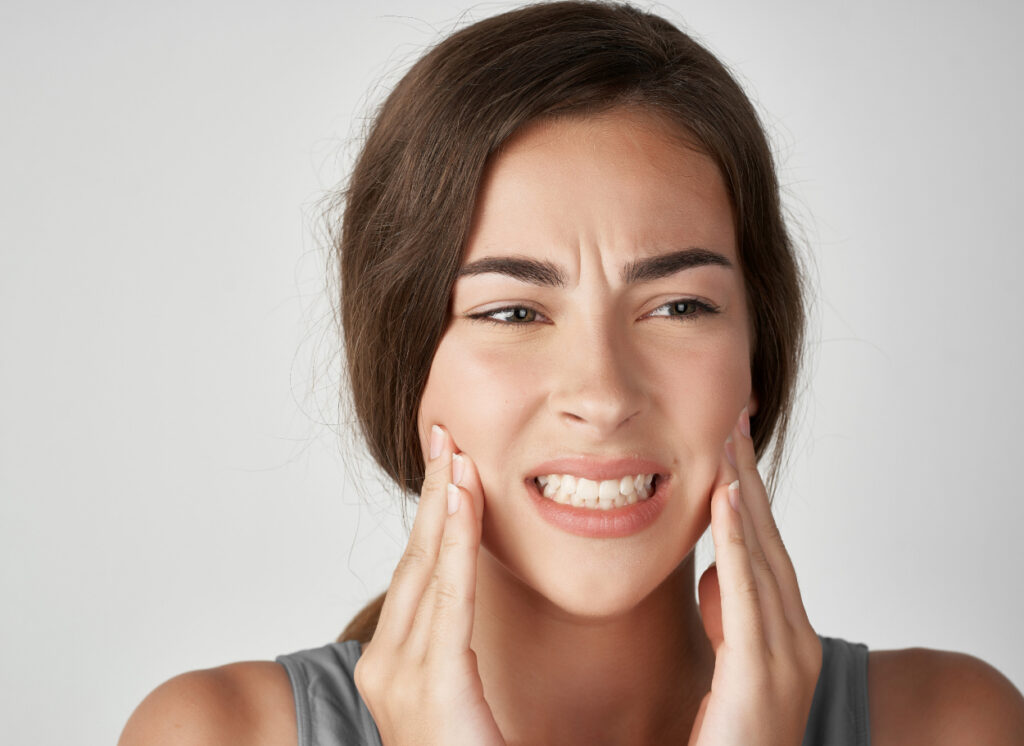
Few dental procedures create as much anxiety as the idea of a crown. Patients often walk in expecting one of two extremes. Either they believe a crown is a simple cap that solves everything instantly, or they assume it will trigger weeks of pain and regret. The truth sits in the middle, and that middle is far more useful.
Dental Crowns are one of the most common restorative treatments in modern dentistry because they solve a very specific problem well. When a tooth is too broken, too worn, too heavily filled, or too root canal treated to function predictably on its own, a crown can protect what remains and restore shape, strength, and chewing function. That is the mechanical side. The human side is more complicated. People want to know whether it will hurt, how long healing takes, and whether lingering pain means something has gone wrong.
Those questions deserve straight answers. Pain after a crown is not unusual, but severe or persistent pain is not something to ignore. Healing is real, but so is adjustment. A newly crowned tooth may need time, and sometimes it needs refinement. A crown can save a tooth beautifully, but only if the diagnosis, preparation, bite, and follow-up are handled with care.
Why crowns get a reputation for pain
A crown usually enters the picture after a tooth has already had a difficult history. Many crowned teeth started with a deep cavity, an old large filling, a crack, heavy wear, or a root canal. In other words, the crown often arrives after the tooth has already been stressed for months or years. Patients understandably blame the final step for all the discomfort, when in reality the tooth may have been inflamed long before the crown appointment.
The procedure itself can also leave a tooth temporarily sensitive. Preparing a tooth for a crown involves removing enamel and shaping the tooth so the final restoration can fit. Even when done carefully, this can irritate the nerve inside a vital tooth. That irritation is usually mild and temporary. The tooth may feel cold sensitive, tender when biting, or vaguely aware of pressure for a few days to a few weeks. That does not automatically mean the crown is bad. It means the tooth and surrounding tissues are reacting to treatment.
There is also the issue of expectations. People hear the word healing and assume a crown is like a cut on the skin, where pain decreases in a tidy line every day. Teeth do not always behave that way. A tooth can feel fine one day and mildly sore the next if you chewed on something hard or clenched at night. The ligament around the tooth can stay irritated if the bite is even slightly high. The gum around the margin can be tender if it was retracted during the impression or scanning process. Dentistry is a game of fractions of a millimeter, and those fractions matter.
What discomfort is normal, and what is not
Most normal post-crown discomfort falls into a few predictable categories. The first is bite tenderness. A tooth that has been worked on can feel bruised when you chew, especially in the first several days. The second is temperature sensitivity, usually to cold. This is more common on teeth that still have a healthy nerve. The third is gum soreness around the crown, especially near the edge where the crown meets the tooth.
That said, there is a difference between awareness and suffering. A little tenderness when chewing a crust of bread is different from sharp pain every time the teeth touch. Brief cold sensitivity is different from a deep throbbing ache that wakes you at night. A crown should not trap you in a cycle of escalating pain.
One pattern I have seen repeatedly is the “high spot” problem. A patient says, “It feels mostly okay, but every time I bite on that side, one tooth hits first.” That small imbalance can inflame the ligament around the tooth and make it feel as if the crown itself is failing. Often, a brief bite adjustment solves it. Patients are sometimes surprised by how dramatic the relief can be from a tiny correction.
Another pattern is the pre-existing crack. A tooth may have been crowned because it was suspected to be cracked, but the crack extended deeper than anyone could reliably confirm at the start. The crown may reduce the tooth’s flexing and help considerably, yet the tooth can still remain unpredictable. This is one reason good dentists speak in probabilities rather than guarantees.
The first few days after a crown
The immediate period after a crown placement is where most of the understandable worry lives. If you have had local anesthetic, your bite may feel strange until the numbness wears off. If the crown was cemented permanently the same day, the tooth may feel “different” before it feels normal. Different does not always mean wrong. A restored tooth often has slightly different contours, a new contact with the neighboring tooth, and a cleaner chewing surface than the damaged tooth it replaced.
It is common to notice https://privatebin.net/?cbb863d9f3783d5d#KerSRYXZR3g2jAVKkzewBGoDTzfngd7VVv1Xuh87c9j a dull soreness in the jaw if your mouth was open for a long appointment. People who clench or grind tend to feel this more. Some also report sensitivity when flossing around the crowned tooth the first few times. This usually improves as the gum calms down and you get used to the shape.
Temporary crowns deserve special mention because they are often the source of confusion. A temporary crown is not expected to feel like the final restoration. It may be less smooth, less precise, and more temperature sensitive. It is a protective placeholder. If it comes off, feels rough, or leaks, the tooth can become quite sensitive. That is not a fair measure of how the final crown will feel.
Healing is not only about the tooth
A crown appointment affects more than enamel and ceramic. The gum tissue, the periodontal ligament, and sometimes the jaw muscles are all part of the recovery story.
The gum around a crowned tooth can be irritated by the procedure itself. Retraction cord, cleaning the margins, trying in the crown, and cement cleanup all happen in a small space. Mild bleeding or tenderness around the gumline for a day or two is not unusual. Patients often mistake gum tenderness for deeper tooth pain because the areas are close together.
The periodontal ligament, which anchors the tooth to the bone, is another overlooked player. It is rich in nerve endings and very sensitive to pressure. If a crown is slightly too high or if you chew hard on a tender tooth too soon, that ligament can become inflamed. The sensation is often described as soreness on biting, a bruised feeling, or the sense that the tooth is “too tall.” This matters because a ligament issue is usually fixable without replacing the crown.
Jaw muscles can contribute as well. A long appointment, especially for a back molar, can leave the chewing muscles fatigued or even in spasm. Patients sometimes point to a crowned tooth when the source is really muscle tenderness referring pain into the area. Distinguishing among tooth pain, gum pain, ligament pain, and muscle pain is part of careful follow-up.
When pain points to a real problem
Not every painful crown is a normal healing story. Sometimes the tooth is telling you something important.
A crown that hurts sharply when you bite down and release may suggest a crack that extends deeper than expected. A tooth that becomes increasingly sensitive to heat, lingers painfully after hot drinks, or throbs spontaneously may have a nerve that is failing. A crowned tooth that feels fine for weeks and then suddenly becomes painful could have decay at the margin, cement washout, a bite problem, or an issue unrelated to the crown, such as gum disease or clenching.
There is also the possibility that the tooth needed root canal treatment before the crown, but the symptoms were not yet clear. Teeth are not always cooperative diagnostically. A nerve can test borderline, symptoms can come and go, and X-rays can look deceptively calm. Placing a crown on a tooth with a stressed nerve is sometimes still the right call, especially if the goal is to preserve and stabilize the tooth, but it can later declare itself and need endodontic treatment.
One difficult truth patients appreciate when it is said plainly is this: a crown protects a tooth, but it does not make the tooth invincible. If the underlying biology is unstable, the best-made crown in the world cannot override that.
The bite matters more than most people realize
Ask experienced clinicians about common reasons for post-crown discomfort, and the bite will come up quickly. Crowns must do two things at once. They must fit the tooth precisely at the margin, and they must fit the mouth dynamically during chewing, speaking, and sliding movements of the jaw. A crown can look excellent on a model and still feel miserable if it contacts too heavily in function.
Back teeth take major loads. During normal chewing, molars absorb substantial force, and in people who grind, those forces increase dramatically. Even a tiny premature contact can keep a tooth under constant stress. This is why a patient saying, “It feels high,” deserves to be taken seriously. It is not nitpicking. It is often the key symptom.
Sometimes the bite issue is obvious right away. Other times it is subtle and appears only after the numbness is gone and the patient eats a regular meal. There is no failure in needing a bite adjustment. It is part of responsible crown care. What matters is responding early rather than waiting for the tooth to stay inflamed for weeks.
Crowns after root canal treatment feel different
A tooth that has had root canal treatment behaves differently from a vital tooth. Because the nerve tissue has been removed, classic hot and cold sensitivity should not be the issue. If a root canal treated tooth hurts after a crown, the causes are more likely to involve the bite, the surrounding ligament, remaining infection, a missed canal, a crack, or occasionally problems in nearby teeth that are being misidentified.
Patients are sometimes told that a root canal tooth is “dead” and therefore cannot hurt. That shorthand creates confusion. The inner pulp tissue is gone, but the ligament and bone around the tooth are very much alive and can become inflamed. A crowned root canal tooth can absolutely be painful if the load is wrong or if the tooth structure itself is compromised.
From a practical standpoint, many root canal treated teeth need crowns because they become more brittle over time, particularly molars and premolars that take heavy chewing forces. The crown is there to reduce fracture risk. It is preventive as much as restorative.
How long should healing take?
Most mild soreness after a crown settles within several days. Temperature sensitivity on a vital tooth may last a few weeks, and in some cases longer, especially if the tooth had a very deep filling or significant pre-treatment irritation. Gum tenderness tends to calm fairly quickly. Bite-related soreness should improve soon after an adjustment, often within a day or two, though an inflamed ligament may take a little longer to quiet down fully.
What concerns me more is not discomfort that lingers lightly, but discomfort that intensifies, becomes more spontaneous, or interferes with sleep and eating. Pain that is trending worse rather than better deserves reassessment. So does a crown that still feels clearly “off” after your mouth has had time to adapt.
A useful frame for patients is this: healing should be imperfect but directional. Even if there are some ups and downs, the general trend should move toward comfort and confidence, not away from it.
Signs that justify a call back to the dentist
If you are unsure whether what you feel is routine, these signs usually merit a follow-up sooner rather than later:
- Pain that wakes you at night or throbs without chewing
- A bite that feels clearly high or uneven
- Sharp pain when biting or releasing pressure
- Heat sensitivity that lingers and seems to worsen
- Swelling, a bad taste, or a pimple on the gum
A good dental office would rather hear from you early than have you tough it out for three weeks. Small problems stay small when addressed promptly.
The role of materials, fit, and technique
Not all crowns are the same, and patients often sense this even if they cannot name why. Material choice matters, but technique matters more. A beautifully selected ceramic does not compensate for poor preparation design, open margins, weak bonding, or a bite that was not checked carefully.
Porcelain, zirconia, metal-ceramic, and gold each have strengths. Zirconia is strong and popular, especially for back teeth. Porcelain can be highly esthetic. Gold remains an excellent functional material in many situations, though less commonly requested for visible reasons. The right choice depends on tooth location, grinding habits, space, esthetic demands, and the condition of the remaining tooth.
The crown’s fit at the margin is critical because that is where the restoration meets natural tooth. If plaque accumulates there due to roughness or overhang, the gum may stay inflamed. If the fit is poor, the crown can leak, trap food, or fail earlier than it should. Patients do not need to micromanage the technical details, but they should know that a well-fitting crown is not just about appearance. It is about biology and longevity.
Living with a crown over the long term
A successful crown should eventually disappear into normal life. You should be able to chew without thinking about it, floss without dread, and stop checking it with your tongue every ten minutes. That settling-in process can take a little time, especially if the original tooth had been troublesome for months.
Crowns do not have a fixed expiration date, but they do have a lifespan. Some last well over a decade. Some fail earlier because of decay at the margin, fracture, gum recession, grinding, or changes in the supporting tooth. Patients often ask how long a crown should last, and the honest answer is that the environment matters as much as the restoration. A person with good home care, low decay risk, and stable bite forces will usually do better than someone with dry mouth, heavy grinding, and inconsistent maintenance.
The crown is part of a system. If the opposing tooth shifts, if gum disease advances, or if nighttime clenching worsens, the crown’s future changes too.
What helps recovery go more smoothly
Most people do not need an elaborate recovery plan after a crown, but a few practical habits can make a noticeable difference in the first week:
- Chew on the other side if the tooth feels tender at first
- Use a soft toothbrush and keep the gumline clean
- Avoid very sticky or very hard foods with a temporary crown
- Take the recommended pain relief if your dentist has advised it
- Wear your night guard if you already have one
What does not help is avoiding brushing near the crown because it feels strange. Plaque accumulation will make the gum more irritated and can create the impression that the crown itself is the problem.
The emotional side of dental pain
Dental pain has a way of shrinking perspective. A mildly high crown can dominate your whole day because every meal reminds you of it. Patients who have had a prior bad dental experience often become hyperaware of every sensation after treatment. That is not overreacting. It is what happens when pain and uncertainty get linked in memory.
This is one reason communication matters so much. When patients are told in advance that some tenderness is expected, what kind, and for how long, they cope better. When they are told to “give it time” without any framework, they either worry in silence or show up frustrated. Good dentistry includes preparing patients for the normal range of recovery and taking their reports seriously when recovery falls outside that range.
What a well-handled crown case looks like
The smoothest crown cases share a few characteristics. The diagnosis is solid. The tooth is prepared conservatively but adequately. The temporary protects the tooth well if one is used. The final crown fits cleanly. The bite is checked carefully once the patient is no longer numb enough to give unreliable feedback. And if the patient calls back with persistent discomfort, the dentist does not become defensive. They investigate.
That last piece matters more than many people realize. Crowns are not magical, and teeth are not machine parts. Even with excellent work, a small percentage of cases need adjustment, monitoring, or a change in plan. What separates reassuring care from frustrating care is often not perfection on day one, but thoughtful follow-up.
The truth about pain, healing, and Dental Crowns is simpler than the horror stories and more nuanced than the advertising. Some soreness can be normal. Ongoing or escalating pain is not something to dismiss. A crown can protect a vulnerable tooth and give it many useful years, but it works best when the underlying diagnosis is sound and the recovery is watched with good judgment. If a crown feels wrong, trust that signal enough to have it checked. If it feels merely new, give your mouth a little time. Dentistry often lives in that distinction.
Oxnard Dentistry
Address: 1730 E Gonzales Rd, Oxnard, CA 93036
Phone number: +18056049999
FAQ About Dental Crowns Oxnard CA
How long do crowns last on teeth?
Dental crowns typically last 10 to 15 years, but can last 20 to 30 years with excellent oral hygiene. Lifespan depends heavily on the crown material, your daily brushing and flossing habits, and whether you clench or grind your teeth.
What is the downside of crowns on teeth?
The primary downside of dental crowns is that the preparation process is irreversible. To properly fit a crown, a dentist must permanently shave down a significant portion of your natural tooth enamel. This exposes the tooth to potential risks like nerve inflammation, increased sensitivity, and structural weakening.
Why do dentists push for crowns?
Dentists often recommend crowns to save a structurally compromised tooth. If a tooth is heavily cracked, worn down, or has a cavity too large for a filling, a filling will not provide enough structural support, causing the tooth to eventually split. Crowns act like protective helmets, preventing tooth loss.