Your Quick Guide to Dental Emergency Plano TX Services
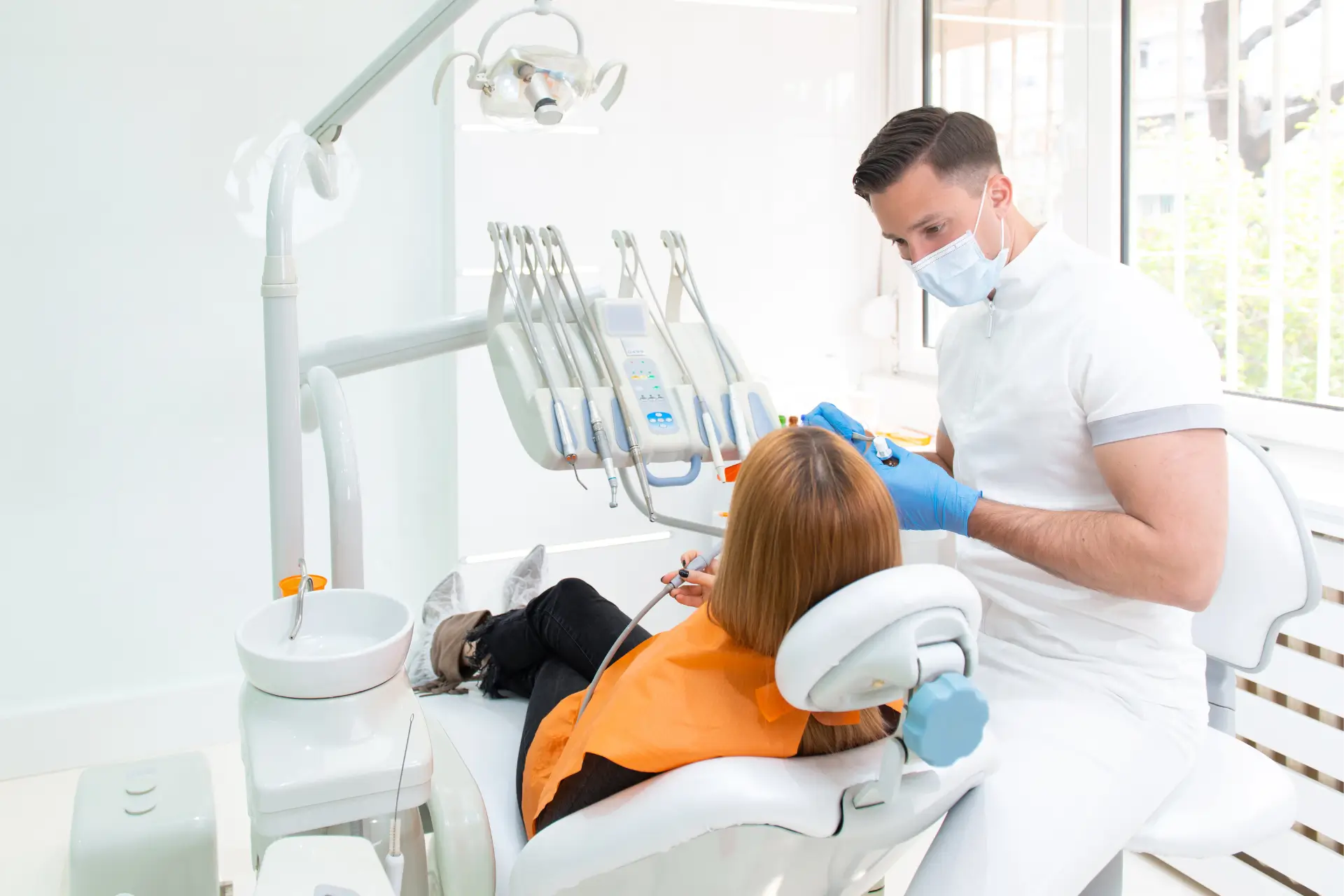
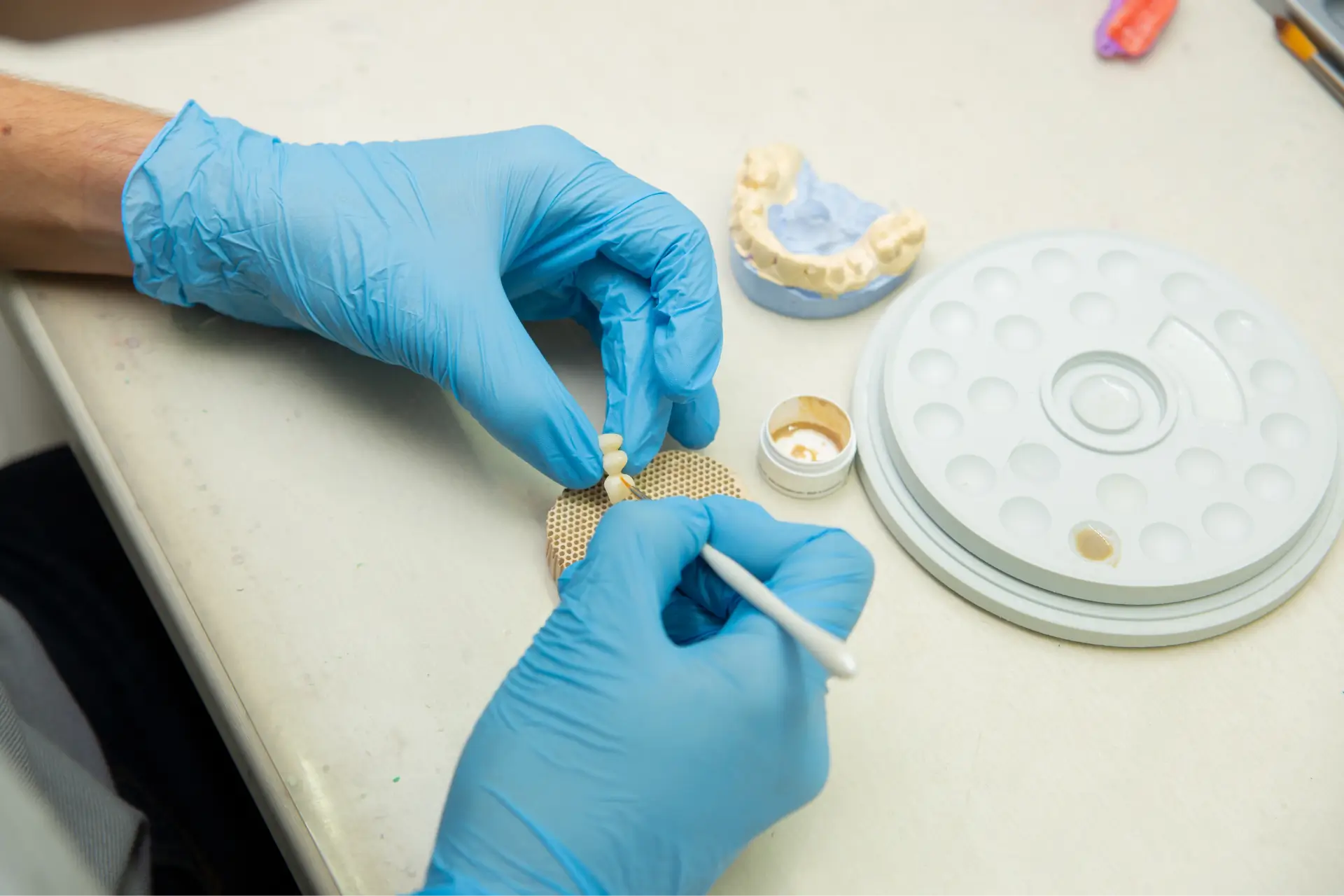
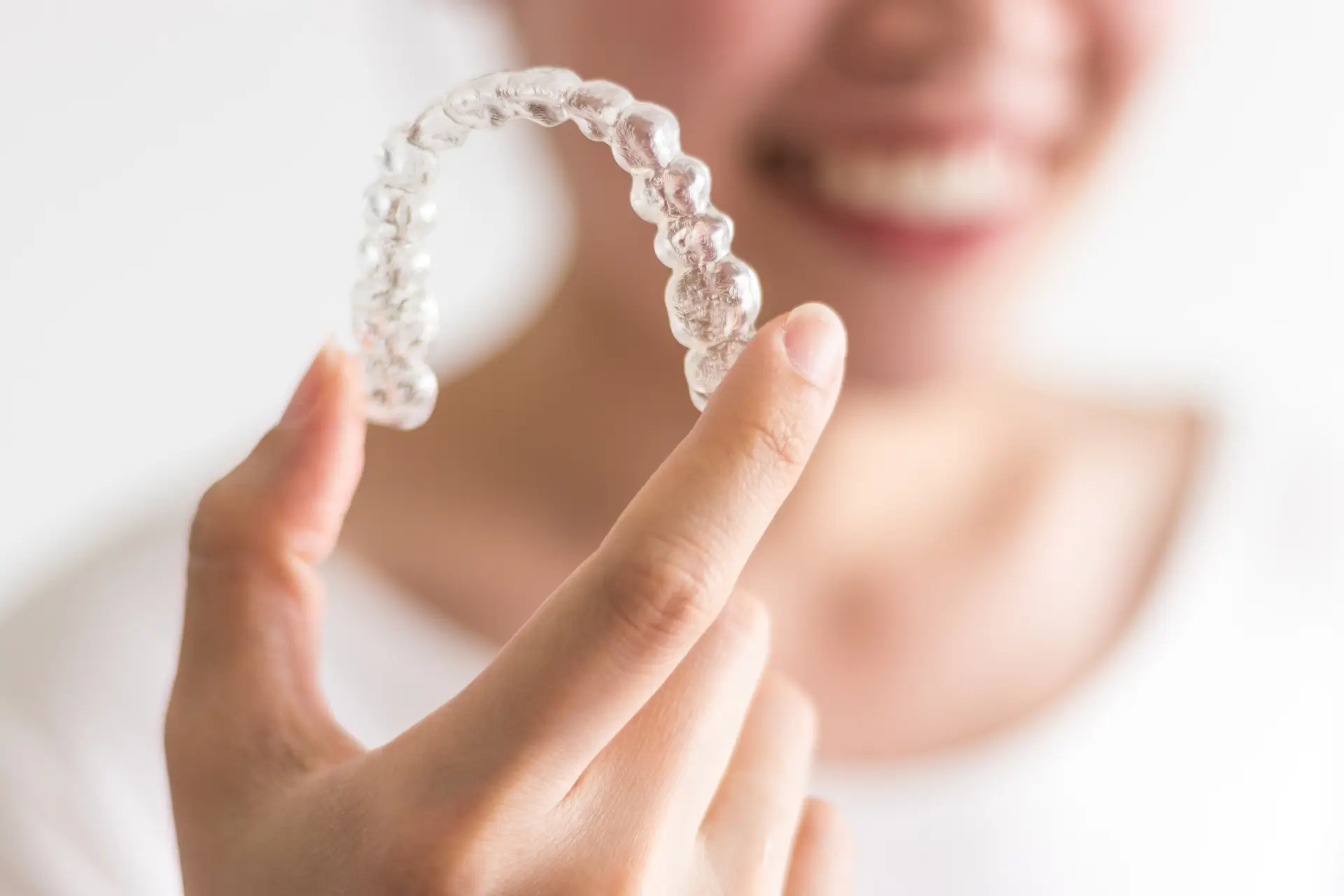
A dental emergency rarely arrives at a convenient hour. It tends to happen during dinner, on a school morning, in the middle of a work presentation, or right before a long weekend. One minute you are fine, the next you are holding your jaw, tasting blood, or staring at a chipped front tooth in the bathroom mirror. In those moments, speed matters, but judgment matters just as much.
If you are searching for Dental Emergency Plano TX services, the first thing to know is that not every urgent dental problem carries the same level of risk. Some issues need treatment within the hour. Others can wait until the same day or the next morning, provided you manage pain and protect the tooth. Knowing the difference can save a tooth, reduce infection risk, and keep a bad situation from becoming a costly one.
Plano has the advantage of a strong healthcare network and a large number of general and specialty dental practices. That helps, but it can also make the search more confusing when you are under stress. Do you call your regular dentist first? Head to an emergency dentist? Go to an urgent care center? Or does this belong in the ER? The right answer depends on what is happening inside your mouth, how severe it is, and whether the problem affects more than your teeth.
What counts as a true dental emergency
People often use the word “emergency” for any dental pain, and that is understandable. Tooth pain can be intense, distracting, and difficult to judge. Still, from a clinical standpoint, a true emergency usually involves uncontrolled bleeding, trauma, infection, severe swelling, or a tooth that may be saved if treated quickly.
A knocked-out adult tooth is one of the clearest examples. Time is critical. In many cases, a dentist has the best chance of saving that tooth if it is reimplanted quickly, often within 30 to 60 minutes, though outcomes vary. A cracked tooth can also be urgent, especially if the crack extends deep enough to expose the pulp or split the tooth. An abscess is another high-priority problem because infection in the mouth does not always stay in the mouth. If swelling begins to spread into the cheek, jaw, or neck, the risk rises fast.
On the other hand, a lost filling, mild tooth sensitivity, or a small chip with no pain may feel urgent to you, but these are often “same day if possible” issues rather than minute-by-minute emergencies. That distinction matters because it helps you choose the right setting and avoid losing time in the wrong place.
The situations that need immediate attention
Some symptoms should move you from “I need an appointment” to “I need help now.” If you are not sure, pay attention to what your body is telling you. Severe swelling, fever, difficulty swallowing, trouble breathing, facial trauma, and heavy bleeding are not routine dental complaints.
Use this quick triage guide:
- Go to the emergency room or call 911 if you have difficulty breathing, trouble swallowing, severe facial swelling, uncontrolled bleeding, or major trauma involving the face or jaw.
- Call an emergency dentist immediately for a knocked-out tooth, a partially dislodged tooth, intense tooth pain, a broken tooth with exposed nerve tissue, or a suspected abscess.
- Contact your regular dentist for a lost filling, mild gum irritation, a broken retainer, or a small chip without significant pain.
- If a child is involved, call promptly even for injuries that seem minor, because developing teeth and jaw structures need careful evaluation.
- When in doubt, call a dental office and describe the symptoms clearly. A good front desk team can often tell you whether you need same-day treatment, after-hours guidance, or hospital care.
That middle category is where most Dental Emergency Plano TX calls land. You are in real discomfort, the issue cannot reasonably wait, but you do not necessarily need a hospital bed. An experienced emergency dental practice is set up for exactly that kind of situation.
What an emergency dentist can usually treat
Emergency dentists deal with a wide range of urgent oral health problems, and many of them are skilled at balancing immediate relief with longer-term treatment planning. Their first goal is often simple and practical: stop pain, control infection, preserve structure, and stabilize the situation.
For example, a patient with a throbbing molar may arrive convinced they need an extraction, only to learn that the tooth can still be saved with root canal therapy followed by a crown. Another patient may walk in with a broken veneer and assume it is cosmetic, but the exam reveals a deeper fracture line and a vulnerable nerve. The urgency is not always obvious from the mirror.
Most emergency dental visits in Plano involve one or more of the following problems: severe toothaches, broken or cracked teeth, knocked-out teeth, loose crowns, swelling from infection, gum injuries, and dental work that has failed at the worst possible time. If wisdom teeth are involved, the line between routine discomfort and urgent care can blur. A partially erupted wisdom tooth with trapped bacteria can cause swelling and pain that escalates quickly.
The practical value of an emergency dentist is not just treatment, but triage. They know when a tooth is salvageable, when pain is coming from a hidden infection, and when oral symptoms may signal something bigger. I have seen patients assume they had “just a toothache” when they were actually dealing with a spreading infection that needed urgent intervention.
When the ER is the better choice
This is one of the most common points of confusion. Hospital emergency rooms are excellent at handling medical emergencies, controlling bleeding, managing trauma, and treating dangerous infections. They are not usually equipped to perform definitive dental procedures such as root canals, crown repairs, or most extractions.
That said, the ER is absolutely the right place if the emergency extends beyond the tooth. If swelling is affecting your airway, if you have a high fever with facial swelling, if your jaw may be fractured, or if you have sustained injuries from a car accident, sports impact, or fall, start with emergency medical care. The hospital can stabilize you and coordinate follow-up dental treatment once the immediate risk is under control.
This is an important distinction for families in Plano who are trying to make a fast decision at night. A dentist treats teeth and many oral injuries. A hospital treats threats to breathing, severe infection, serious trauma, and whole-body complications. One setting does not replace the other.
The first 30 minutes matter more than most people realize
With dental injuries, small decisions made at home often influence the outcome. I have watched people do everything right and preserve a tooth that looked hopeless. I have also seen preventable mistakes make treatment harder.
A knocked-out adult tooth is the classic example. The root surface is delicate. Scrubbing it, wrapping it in a dry tissue, or leaving it on the counter can reduce the chance of successful reimplantation. The better move is gentle handling by the crown only, a light rinse if dirty, and keeping the tooth moist. Sometimes the tooth can be carefully placed back into the socket, but https://pastelink.net/uvjlrq67 many people are too anxious to attempt that, and that is reasonable. Milk or a tooth-preservation solution is usually better than letting it dry out.
For swelling, heat is often the wrong instinct. A cold compress on the outside of the face may help with pain and inflammation. For bleeding after an oral injury, direct pressure with clean gauze usually works better than repeatedly checking the area every few seconds. Constantly lifting the gauze interrupts clot formation.
Pain medicine can help bridge the gap until you are seen, but there is a practical caution here. Aspirin can worsen bleeding in some situations, so many dentists prefer acetaminophen or ibuprofen when appropriate for the patient’s age and medical history. Of course, medication choices depend on factors like ulcers, kidney disease, anticoagulants, liver concerns, or pregnancy. If you have a medical condition that limits over-the-counter pain relief, tell the dental office when you call.
Common emergencies in Plano families
Plano sees the same dental emergencies you would expect in any active, fast-growing community, but the patterns are familiar. Youth sports produce plenty of chipped incisors and lip injuries. Busy professionals postpone care for a cracked tooth until it becomes a weekend emergency. Children bite down on something harder than expected and loosen a baby tooth before its time. Older adults sometimes face urgent issues with crowns, bridges, implants, or dentures at exactly the wrong moment.
One scenario that deserves special mention is the “silent crack.” A patient feels sharp pain only when chewing, then nothing. It comes and goes. Because the pain is intermittent, they delay. Weeks later, the tooth splits further or the pulp becomes inflamed, turning a manageable problem into a more complicated one. Cracks can be deceptive. If a tooth hurts when you release your bite, not just when you chew down, that is a clue dentists take seriously.
Another common Plano situation involves children on school schedules and parents trying to decide whether a dental injury can wait until after pickup, soccer practice, or bedtime. In my experience, same-day evaluation is often worth it even when the child seems calm. Teeth can move, roots can be affected, and soft tissue injuries can hide debris. Kids are resilient, but they are not always accurate reporters of pain.
What to do before you get to the office
You do not need a full home dental kit to handle an urgent situation well. A few calm steps can make a meaningful difference while you are on the way to care.
Here are the basics:
- Rinse gently with warm water if there is blood, dirt, or debris.
- Use a cold compress on the outside of the face for swelling or trauma.
- Apply clean gauze with steady pressure if bleeding is active.
- Keep any broken tooth fragment, crown, or knocked-out tooth and bring it with you.
- Avoid chewing on the injured side, and do not place aspirin directly on the gums or tooth.
That last point sounds old-fashioned, but people still do it. Placing aspirin against gum tissue can cause a chemical burn and create a second problem on top of the first.
If the issue is a dislodged crown and you are not in severe pain, some pharmacies carry temporary dental cement. It may help hold the crown in place for a short period, but it is not a substitute for treatment. If the crown no longer fits cleanly, do not force it down. A poorly seated crown can trap food, irritate the bite, or crack the remaining tooth structure.
How emergency visits are usually handled
Most emergency dental appointments follow a practical rhythm. The team gathers a short history first: what happened, when it happened, how bad the pain is, whether swelling is present, and whether you have relevant medical conditions. X-rays are often taken quickly because many urgent dental problems cannot be judged accurately from the surface alone.
From there, treatment tends to split into two paths. The first path is definitive care, where the problem can be fully treated that day. This might include an extraction, a root canal start, a crown recementation, a repair for a chipped front tooth, or draining an abscess. The second path is stabilization, where the dentist relieves pain, reduces infection risk, and protects the tooth while planning the next step. For instance, a severely broken tooth may need temporary coverage first, then a specialist visit or crown work later.
This is where experience matters. Emergency dentistry is not just about speed. It is about knowing when to treat aggressively and when to preserve options. A dentist who sees urgent cases regularly becomes very good at making that call.
Cost, insurance, and the questions worth asking
One reason people hesitate during a Dental Emergenc situation is cost uncertainty. That is understandable. Emergency care can range from a modest exam fee with X-rays to more involved treatment such as extraction, root canal therapy, or crown replacement. The price depends on the diagnosis, not just the fact that it was urgent.
When you call a Plano office, it is reasonable to ask whether there is an emergency exam fee, whether imaging is billed separately, what forms of payment are accepted, and whether the practice can provide a treatment estimate after the evaluation. Most offices cannot quote exact totals before seeing you because the underlying problem may be very different from what you suspect. A “simple toothache” might turn out to be a cracked cusp, sinus-related pain, gum infection, or nerve involvement.
Dental insurance may help with the exam, X-rays, and some procedures, but coverage varies widely. If you have an HMO, PPO, or discount plan, say that upfront. If you do not have insurance, ask about financing or phased treatment. Many good offices are used to these conversations and handle them with more flexibility than patients expect.
Choosing the right emergency dentist in Plano
Under pressure, people often click the first search result and hope for the best. Sometimes that works out. Sometimes it does not. A little discernment goes a long way, even when time is short.
Look for signs that the office actually handles urgent cases rather than merely listing the service online. Same-day appointment availability, clear after-hours instructions, digital X-rays, restorative capability, and experience with trauma all matter. If the office can only evaluate you and send you elsewhere for basic urgent care, that may slow things down.
Phone communication tells you a lot. A capable team usually asks focused questions: Is there swelling? Is the tooth loose? Was there trauma? How old is the patient? Are you having trouble swallowing? Those are not script questions. They are trying to assess urgency. Vague or dismissive responses are less reassuring.
If you have a regular general dentist in Plano, start there when possible. Continuity of care has real value. Your dentist already knows your history, previous work, bite issues, and medical background. But if the office is closed and the problem is urgent, an emergency-focused practice is the better next move.
A few situations people underestimate
Not every serious dental issue is dramatic. Some are easy to brush aside until they become much harder to treat.
A dull, deep ache that wakes you at night often means more than simple sensitivity. Spontaneous pain, especially pain that lingers after hot or cold exposure, can suggest nerve inflammation that is unlikely to settle on its own. A gum pimple that drains now and then may seem minor because the pressure comes and goes, but it can indicate chronic infection. A crown that feels “a little high” after recent dental work may not sound urgent, yet if the bite is significantly off, the tooth and surrounding joint can become quite sore very quickly.
Pregnant patients are another group who sometimes delay urgent care because they worry treatment is unsafe. In many cases, treating infection and severe pain is safer than waiting. Dentists can adjust imaging, medication choices, and treatment timing appropriately. The key is to tell the office about the pregnancy right away.
Aftercare can determine whether the fix lasts
The emergency visit is not always the end of the story. In fact, success often depends on what happens over the next several days. If you leave with a temporary restoration, started root canal treatment, an extraction site, or a repaired fracture, follow instructions carefully. Avoid testing the tooth with hard foods “just to see if it is okay.” Patients do that more often than they admit.
Watch swelling, pain pattern, and bite comfort. Some soreness after treatment is normal. Worsening swelling, fever, bad taste, or pain that escalates rather than settles deserves a call back. With children, keep an extra eye on eating habits and sleep. Kids may stop complaining even when something still feels wrong.
If a mouthguard could have prevented the injury, this is the moment to address it. I have had many adults tell me they meant to get one for their child’s sports season and simply never got around to it. One emergency dental bill tends to make the case better than any lecture.
The calmest response is often the most effective one
Dental emergencies feel personal in a way that many other urgent health issues do not. They affect your speech, your appearance, your ability to eat, and your sense of control. Pain inside the mouth can be surprisingly overwhelming. That is why a calm, practical response matters so much.
If you are in Plano and facing an urgent dental problem, do not focus first on whether it is inconvenient, embarrassing, or likely to “settle down by tomorrow.” Focus on the signs that guide the next step: pain severity, swelling, bleeding, trauma, and whether the tooth has moved or broken. Then act accordingly. The right Dental Emergency Plano TX care at the right time can mean the difference between a straightforward repair and a more serious, expensive problem a few days later.
Most importantly, trust your instincts when something feels off. People are often better judges of urgency than they think. If your mouth is telling you this cannot wait, it probably should not.
Vitality Dental
Address: 1220 Coit Rd #106, Plano, TX 75075
Phone number: +19726454100
FAQ About Dental Emergency Plano TX
What can the ER do for a tooth?
An emergency room (ER) can manage pain and treat severe infections with medication, but it cannot fix or pull a tooth.
What is considered a dental emergency?
A dental emergency is any oral health problem that involves severe pain, uncontrollable bleeding, or an infection that threatens your health or requires immediate care to save a tooth.
Is there a 24-hour dental service in Plano, TX?
There is no physical dental clinic in Plano, Texas, that stays open with walk-in staff 24 hours a day, but several offices offer 24/7 phone support, late-night hours, or same-day emergency care.